
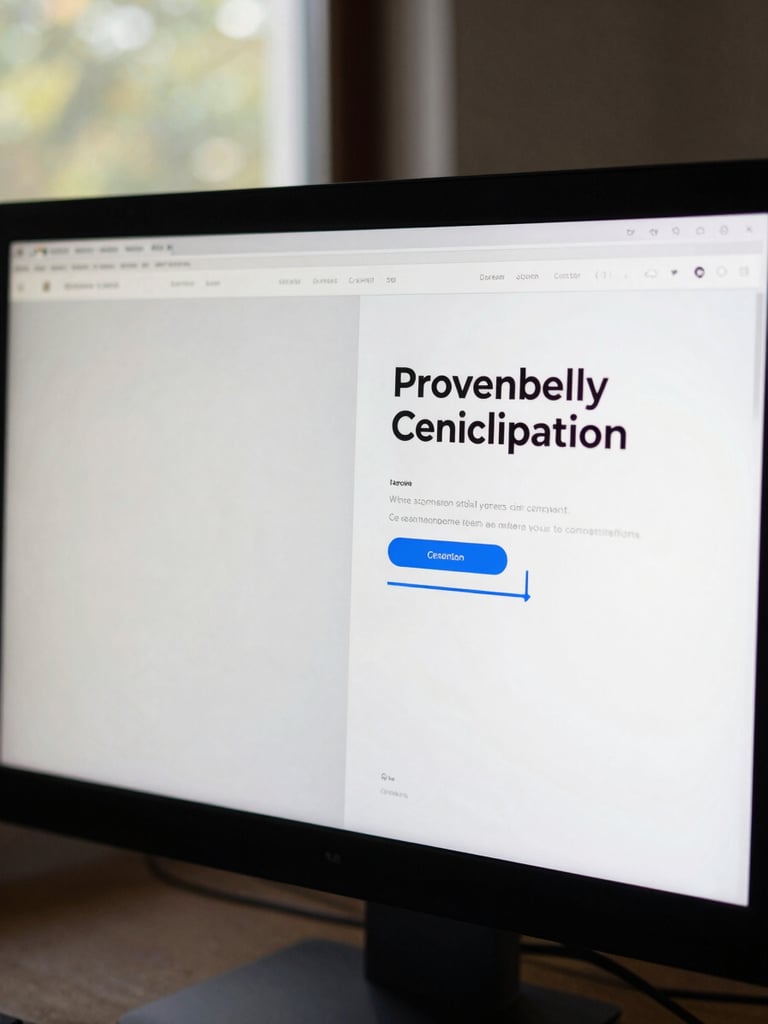
Close-up split composition on a monitor screen under natural window light — left half showing a sparse, unconverted website with low-density copy and no clear call-to-action, right half showing the redesigned version with a structured conversion layout, prominent headline, and clear action path. Framed tight on the screen surface, no hands or people visible, analytical and precise.
— Website Design

Built around how your traffic converts

Traffic without a site that captures it is a solvable problem. We scope every build to the paid and organic channels already sending visitors — so the architecture earns those clicks.

/ How we work

Funnel data decides the architecture

No mockup is made before we understand where traffic comes from and where it drops off. Every structural decision follows that audit.

Step 01
Step 02
Step 03

Channel and funnel audit

Conversion-scoped page architecture

Baseline handoff and documentation

Page structure, hierarchy, and CTAs are decided by funnel data — not by what looks good. Every layout choice has a documented rationale tied to a conversion goal.

We hand off with measured conversion baselines — form rates, scroll depth, click-through by source — so every future test has a real starting point, not a guess.

We map how paid, organic, and referral traffic enters the site and where each segment abandons. The audit defines which pages need the most structural work.
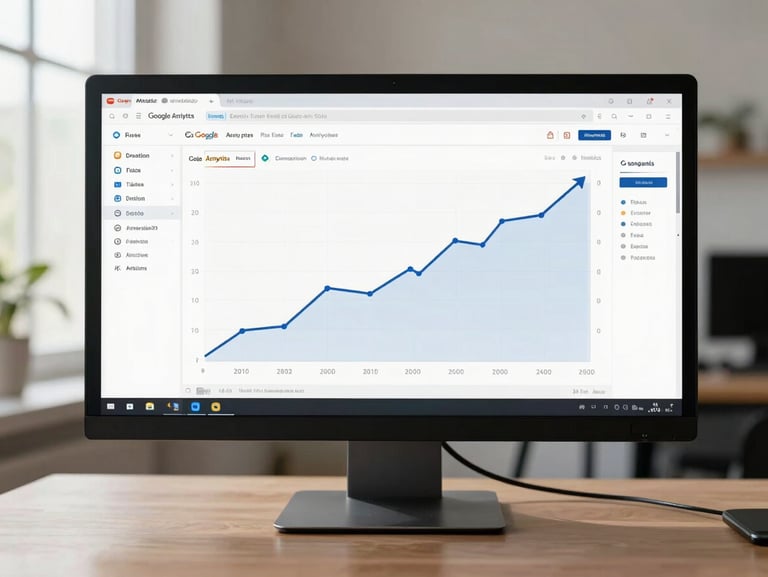

Wide monitor on a clean desk under diffused window light, displaying a Google Analytics dashboard with a sharp upward conversion-rate trend line — the chart is the focal subject, framing is close on the screen, no people visible, natural light from the left.
Close-up of a printed strategy document with handwritten annotations and highlighted sections on a clean desk, natural window light falling across the page, a laptop partially visible in the background showing a website wireframe — focus on the document as a work artifact.
▸ Measured outcomes

What changes when the site is built to receive traffic

A B2B services firm saw paid-search lead volume triple after we rebuilt their landing pages around actual query intent — no increase in ad spend.

An e-commerce brand with strong SEO traffic cut checkout abandonment by 38% after page architecture was restructured around where organic visitors entered the funnel.

Tell us where your traffic goes to die

Bring your analytics, your current site, and your channel mix. We'll tell you exactly what the architecture is costing you in conversions before we scope a single deliverable.